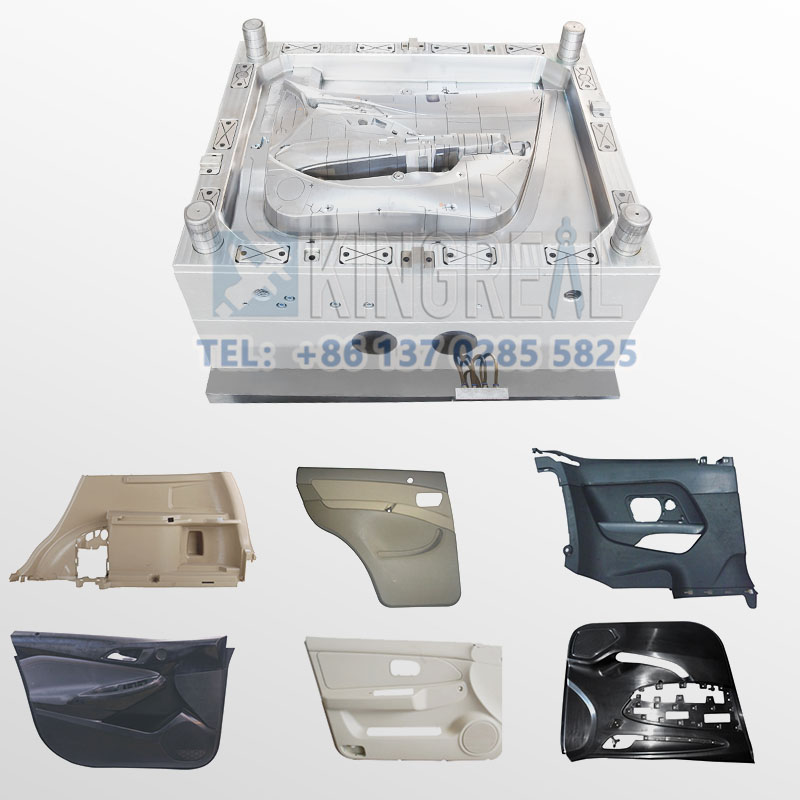
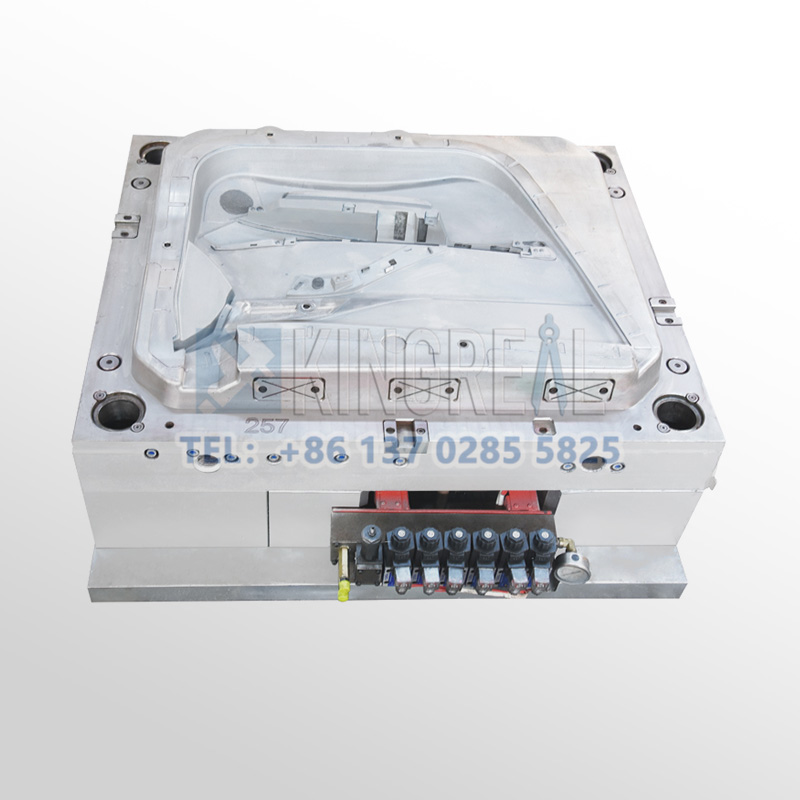
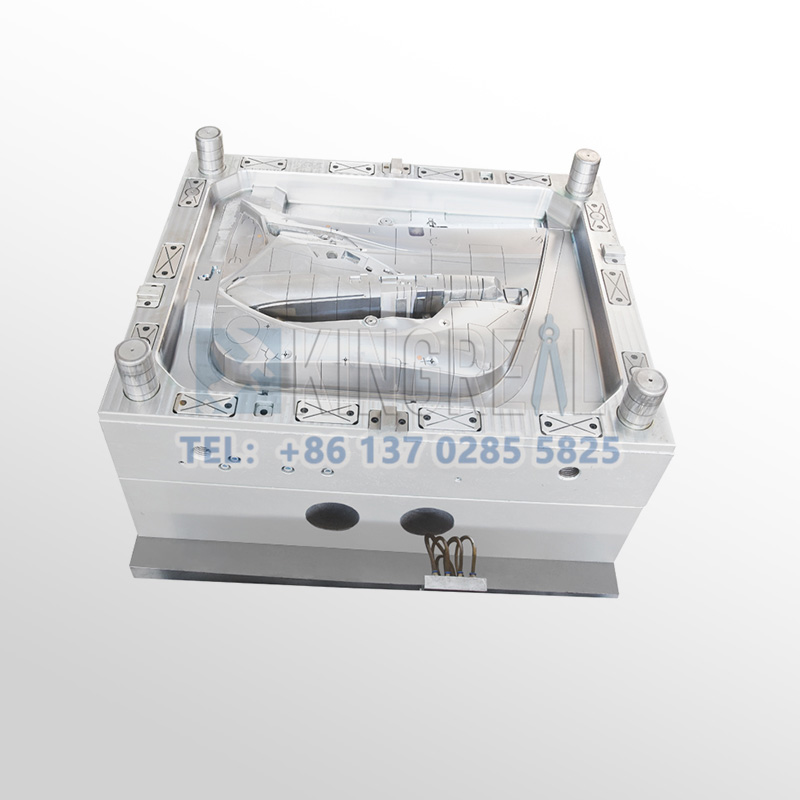
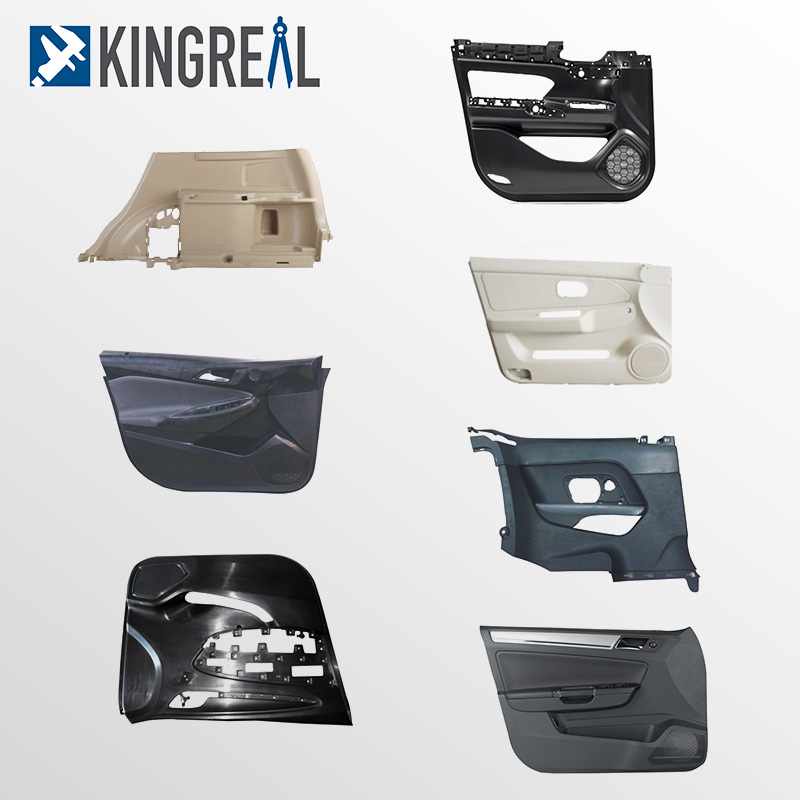
Description Of Car Door Panel Injection Mold
——
KRMOLD is a professional plastic injection mold manufacturer in China, with professional production strength and rich project experience in plastic injection mold. For example, the automotive door panel injection mold belongs to the large injection mold in the field of Automotive Injection Mold industry, which is used as the key tool for producing automotive interior door panels.
Automotive door panels usually have a high gloss surface and leather surface, need to ensure that there are no spots and welding marks and other defects, which is a high demand for injection molding complex surfaces, door panels are often distributed on the inside and outside of a number of inverted buckles, the need for plastic injection mold side of the core mechanism to achieve the release of the mold.
KRMOLD Auto Door Trim Mold adoption of needle valve type sequential valve hot runner with normal runner feeding, e.g. with 4 or 10 hot nozzles, to avoid fusion marks and optimize filling pressure. Automotive door panel injection mold priority fan gate or banana gate, the length of the runner is usually controlled within 60-100mm to reduce pressure loss.
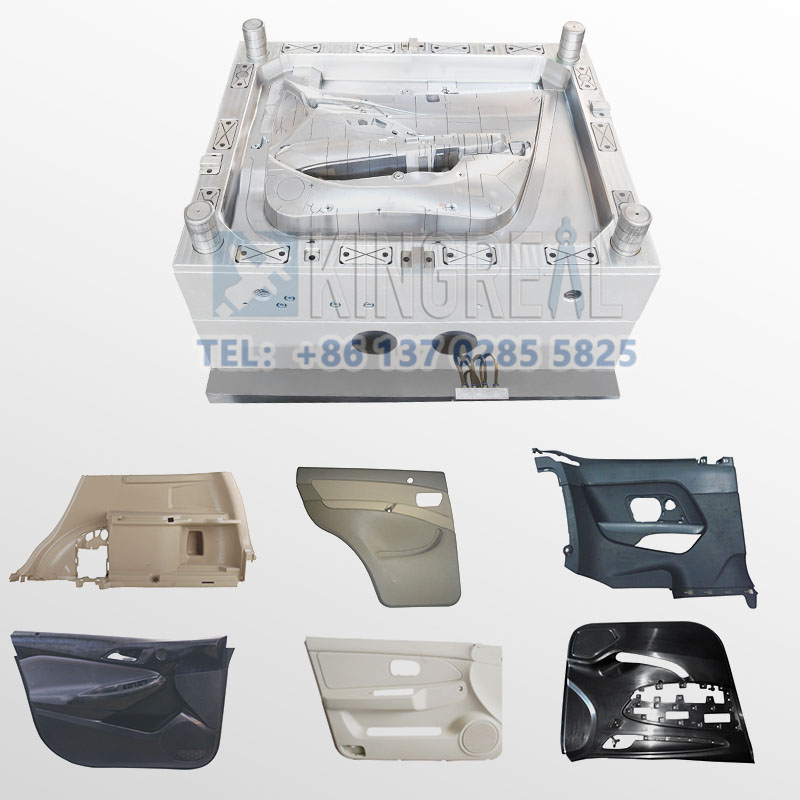
Design Features Of Car Door Panel Injection Mold
——
Our advantage
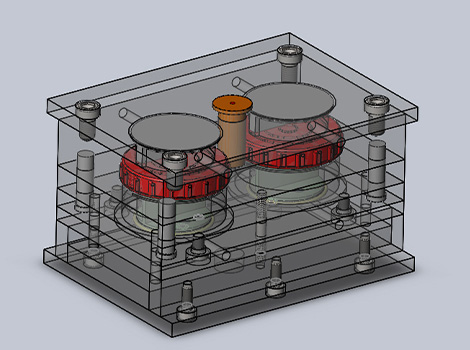
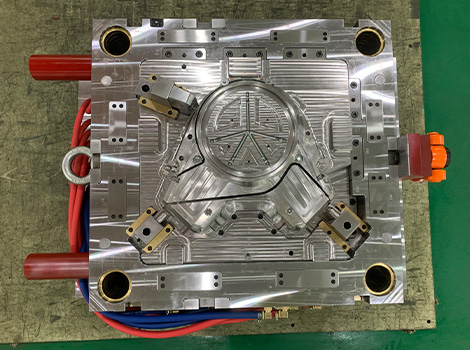
The automobile door panel injection mold adopts an integrated fixed and moving mold design , with P20/2738 as the primary material for the core components. The mold's AB plates utilize a four-sided edge-enclosing structure , ensuring rigidity and compactness. Key structural elements include angled ejector blocks , push blocks, and mesh hole design. Special attention is required for angled ejector blocks to prevent part adhesion or surface scratching , particularly in areas with dense mesh patterns (e.g., speaker grilles).
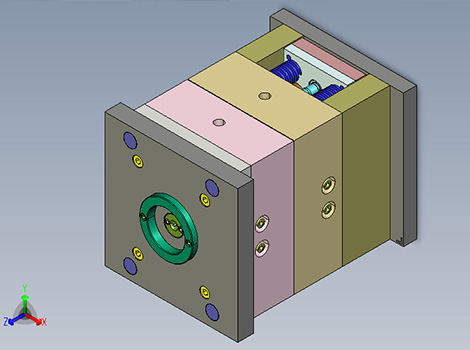
The mold employs a 10-point sequential valve hot runner system coupled with cold runners and banana-shaped gates. The material, PP/EPDM (Polypropylene/Ethylene Propylene Diene Monomer) , offers high fluidity, enabling flexible runner design. To minimize pressure loss and ensure surface quality, the cold runner length is restricted to ≤60 mm (preferred) or ≤100 mm (maximum) . This configuration effectively eliminates weld lines on cosmetic surfaces (A-surfaces)
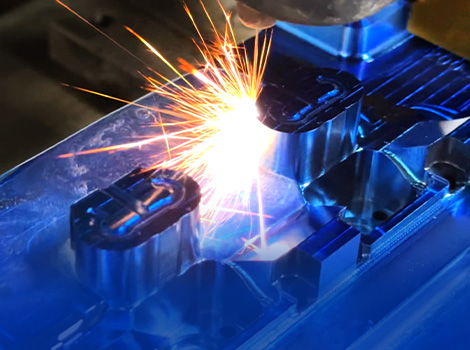
As one of the important components of automobile interior, the appearance quality of the lower body of the automobile door panel is highly demanded. Therefore, the advantages and disadvantages of the temperature control system design have a far-reaching impact on the molding efficiency and product quality of the injection mold.
dddhhhThe automotive door panel injection mold adopts the innovative “straight water pipe + inclined water pipe + well” combination of temperature control system, which not only ensures the uniform cooling of the plastic parts, shortens the molding cycle, but also improves the quality of the finished products of the automotive door panels, which is very suitable for the injection molds with high appearance performance requirements.dddhhh
Technical Specification Of Car Door Panel Injection Mold
——
| Mold Material | P20/718/738/NAK80/S136/2344.ETC. |
| Design Software | Solidworks/PROE/UG/CAD.ETC. |
| Plastic Material | ABS/PP/PS/PE/PVC/PA6 and other |
| Injection Runner | Hot Runner\ Cold Runner |
| Molding Cavity | Single Cavity |
| Mold Size | 1190*930*720mm |
| Mold Base | xc48 |
| Mould Life | 250k-300k shots |
Car Door Panel Injection Mold Working Process
——
Gas-Assisted Injection Molding
The gas needle is usually set in the middle area at the bottom of the cavity of the injection mold, injecting the molten plastic through high-pressure nitrogen to form a medium air channel in the thick-walled part, reducing the amount of material, up to 40%.
Tailgate trim mold is directly injected into the cavity through gas needle and laid out near the gate to ensure that the gas flows in the same direction as the melt, the gas holding stage can eliminate the shrink marks and warping in the thick-walled area in the traditional injection molding, and the surface finish of the door panel can be significantly improved, which can satisfy the high appearance requirements of the automotive interior trim parts.
KRMOLD tailgate trim panel mold adopts gas-assisted technology and optimizes the filling parameters (gas delay time 0.5s, pressure 4.5MPa) through Moldex3D simulation, which ultimately achieves no shrinkage mark in the thick-walled area with wall thickness of 43.1mm.
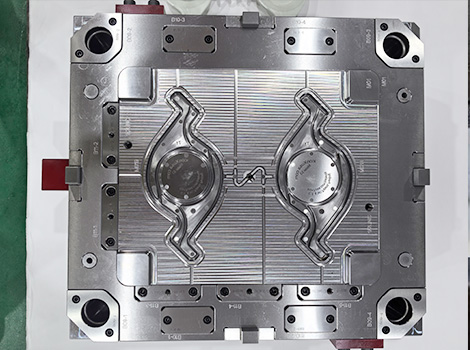
Two-shot injection molding is achieved by injecting plastics of different colors or materials in two parts in a single injection molding cycle, and rotating or switching the molds to achieve a composite structure. In automotive door panel injection molds, 2K injection molding is usually used to combine a hard skeleton (e.g., PC/ABS) with soft-touch surfaces (e.g., TPE) to enhance the comfort of interiors, and to achieve watertight seals through the combination of a hard adhesive and an elastomer (e.g., LSR).
The injection mold rotates the rear mold by 180° to achieve two-color injection, while the front mold is fixed to ensure the accuracy of cavity alignment between the two injections (tolerance ±0.01mm). Double top stick system operates independently, spring reset avoids rotational interference, demolding slope>1.5° (coarse leather surface).
About KRMOLD
——
dddhhhKRMOLD focuses on the field of precision mold design and production, with a manufacturing team of 200+ professional technicians, a technical R&D team of 30+ engineers, and a full-cycle service team covering pre-sales consultation to after-sales maintenance, providing full-process services ranging from mold design, precision processing to injection molding.dddhhh
Why Choose Us?
1.One-stop full-process service
We provide full-process service from integrating requirements, mold design and manufacturing to delivery and after-sales service.
The technical team is deeply involved in the customer's product design stage, optimizing the mold structure and designing the mold drawings through the mold flow analysis software (such as Autodesk Moldflow, UGNX). Equipped with imported CNC, Shadick wire cutting machine, mirror discharge equipment and other precision processing equipment to achieve ±0.02mm precision;
We have a large-scale intelligent workshop to support secondary processing such as silk-screen printing, welding, spraying, etc. We strictly implement the quality system of ISO13485 and IATF16949; meanwhile, we provide free transportation, regular mold maintenance and one-year warranty service.
2.Complete quality control system
There is a full chain production workshop, using Makino five-axis machining centers, Haitian injection molding machines and other well-known equipment at home and abroad to avoid delays in outgoing processing. Through the CMM coordinate measuring machine, three-dimensional inspection instrument full inspection of key dimensions, the implementation of PDCA cycle quality management. Meanwhile, we provide complete quality inspection report of injection molds.
3.Accurate delivery control to guarantee the project schedule
Through digital management, production progress monitoring from the beginning of the order, for different orders and delivery date for data monitoring, once there are factors that may be delayed, immediately arrange to speed up the production schedule, to ensure that the customer in the delivery period to complete the manufacturing of plastic injection molds.
Especifique el tipo de plástico (p. ej., PP, ABS) y los requisitos de posprocesamiento (p. ej., pulverización, serigrafía) y proporcione planos 2D o 3D de las piezas de plástico. Asimismo, indique el volumen de producción, los requisitos de apariencia, las tolerancias, etc.
Por lo general, nuestros ingenieros comenzarán a preparar la cotización inmediatamente después de que el cliente proporcione todos los requisitos de producción. El proceso suele tardar entre 1 y 3 días.
El plazo de entrega para moldes de inyección convencionales suele ser de 30 a 60 días, y puede ser mayor para moldes complejos. Por ejemplo, el plazo de entrega típico para moldes de silicona líquida es de unos 60 días, abarcando el diseño, la fabricación, las pruebas del molde, etc.
Tecnología de procesamiento de alta precisión: Se utilizan equipos de alta precisión, como centros de mecanizado CNC (CNC) y mecanizado por descarga eléctrica (EDM), para optimizar el proceso de diseño en combinación con el software CAD/CAM. Control de calidad: Inspección de las dimensiones clave del molde mediante una máquina de medición de coordenadas (CMM) y verificación de múltiples lotes de muestras durante la etapa de moldeo de prueba. Selección de materiales: utilice acero para matrices con alta resistencia al desgaste (por ejemplo, H13, S136) y tratamiento de superficie (por ejemplo, nitruración, cromado) para las tuercas de matriz para prolongar la vida útil.
Después de cada 50.000 moldes, revise el pilar guía, el pasador expulsor y otras piezas de desgaste, y limpie los residuos de plástico y óxido de la superficie del molde. Utilice grasa de alta temperatura para las piezas deslizantes (p. ej., la tapa basculante y la corredera) para reducir la pérdida de fricción. Asegúrese de que el circuito de agua esté fluido y que la diferencia de temperatura sea ≤5 °C para evitar el agrietamiento del molde por estrés térmico.
El costo de los materiales del molde representó entre el 30% y el 40% (por ejemplo, una tonelada de acero P20 cuesta aproximadamente 20.000 yuanes), y los costos de procesamiento superaron el 50% (la tarifa por hora de la mano de obra CNC es de aproximadamente 80-150 yuanes/hora). En la producción de lotes pequeños, se pueden usar moldes de aluminio o simplificar el diseño estructural; para más de 100.000 piezas, se recomienda usar insertos de carburo para prolongar la vida útil.
Los productos de inyección de moldes deben cumplir plenamente con los requisitos de diseño (como tamaño y apariencia) y permitir una producción continua y estable. El marcado del molde, los informes de inspección (como la prueba de dureza del material) y los planos de ingeniería deben estar completos.
El acero del molde (como S136H, NAK80 y otros materiales importados cuestan más) y el tipo de embrión de molde (el costo a corto plazo del molde de aluminio es bajo pero la vida útil es corta) afectan directamente el costo; el uso de la tecnología de diseño CAD/CAE/CAM, el sistema de canal caliente, etc. aumentará la inversión inicial, pero puede mejorar los beneficios a largo plazo (como reducir las gradas y aumentar la capacidad de producción).